When I first started running Facebook Ads, I made a mistake that cost me a lot of money and took a while to figure out. I came from Google Ads, where the approach is straightforward: someone searches for “fence contractor near me,” you show them an ad, and they click. The prospect has intent. Your job is to match that intent with a relevant ad and landing page.
So when I started running Facebook Ads, I did the same thing. I created an ad with a direct offer, targeted people who fit the right demographics, and waited for the conversions to roll in.
They didn’t.
The campaigns underperformed, costs were high, and I couldn’t figure out why. The targeting looked right. The offer was solid. The landing page worked fine with Google Ads traffic.
The problem was that I was treating Facebook like Google. On Google, someone is actively searching for a solution. On Facebook, you’re interrupting someone in the middle of scrolling through vacation photos and kid pictures. They’re not looking for you. They may not even know they have a problem you can solve.
That fundamental difference is why audience temperature is the single most important concept in Facebook Ads.

What Is Audience Temperature?
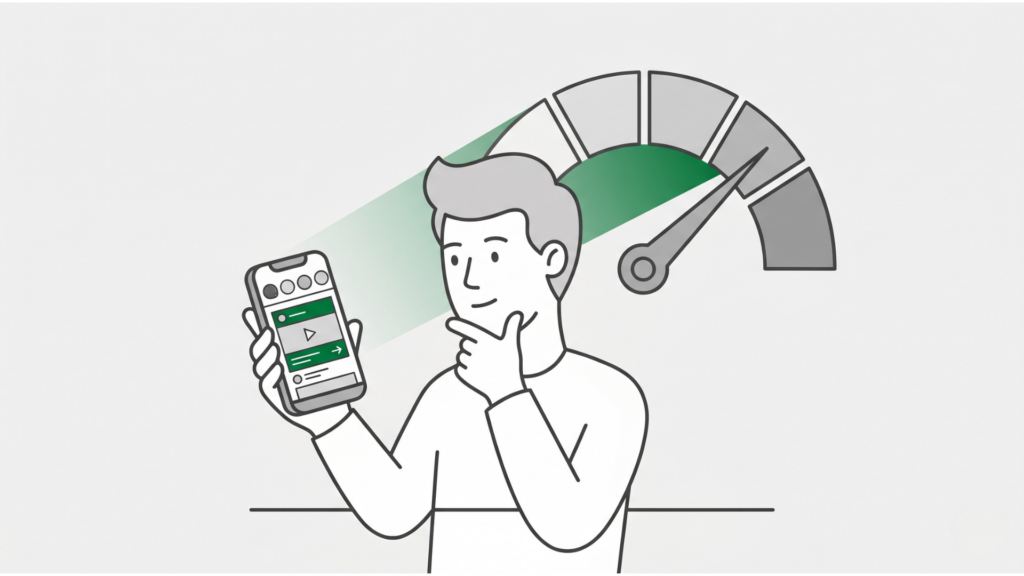
Audience temperature is the measure of how aware a prospective customer is of your business and how ready they are to take action. We use the Audience Temperature Model to break audiences into five levels:
Cold. They’ve never heard of you. They don’t know your business exists, and they’re not looking for what you sell right now.
Warm. They’re familiar with your business. They may have seen your content, visited your website, or heard your name, but they haven’t engaged in any meaningful way.
Hot. They’re actively engaging with your business. They’ve submitted a form, visited your pricing page, added something to a cart, or reached out directly.
Customer. They’ve already bought from you. They know your product or service firsthand and have an established relationship with your business.
Repeat Customer. Your most valuable customers. They’ve purchased multiple times, they trust you, and they’re the most likely source of referrals and long-term revenue.
Most businesses and most marketing blogs stop at three levels. The full five-level model matters because the biggest missed opportunity in Facebook Ads isn’t at the top of the funnel. It’s at the bottom. The vast majority of businesses spend their entire Facebook budget trying to acquire new customers and never run a single campaign to the customers they already have.
This framework matters because every decision you make in a Facebook Ads campaign, your targeting, your objective, your creative, and your offer, should be determined by the temperature of the audience you’re reaching. When those elements match the temperature, Meta’s algorithm optimizes efficiently and your costs stay low. When they don’t match, you waste budget, get poor results, and conclude that Facebook Ads don’t work.
Cold Audiences: Make an Introduction
Cold audiences are people who have never interacted with your business. This includes broad targeting, interest-based groups, demographic segments, and lookalike audiences built from your customer data.
Here’s what most businesses get wrong with cold audiences: they try to sell immediately. They run a conversion campaign with a direct offer to people who have never heard of them. It’s the Facebook Ads equivalent of proposing marriage on a first date. The offer might be great, but the relationship isn’t there yet.
Your goal with cold audiences is simple: get on their radar. Give them a reason to pay attention.
The ad types that work best for cold audiences are educational videos, blog posts, helpful tips, and industry insights. Short-form vertical video (Reels and Stories) is especially effective right now because Meta prioritizes video placements and can often deliver them at a lower cost per view.
Think of cold campaigns as the top of your funnel. You’re not trying to generate leads or sales here. You’re building a pool of people who now recognize your name and have had a positive first impression of your business. Those people become your warm audience.
Warm Audiences: Build Trust
Warm audiences include people who are familiar with your brand: website visitors, social media engagers, video viewers, email subscribers, and anyone who has interacted with your content but hasn’t taken a direct buying step yet.
Your goal with warm audiences is to deepen trust and move them closer to the next action. These people have already raised their hand by engaging with something you put out there. Now you need to show them why they should take the next step.
The content that works best at this stage demonstrates expertise and builds credibility: case studies, testimonials, lead magnets, webinar invitations, and “how-to” content. We’ve found that frameworks and tutorials, content that teaches something specific and actionable, tend to get the strongest engagement from warm audiences because it proves you actually know what you’re talking about.
This is where your campaign objectives shift. Instead of optimizing for video views or engagement, you’re now running lead generation or messaging campaigns. Your metrics change accordingly. You’re measuring cost per lead and lead quality, not reach and engagement.
Hot Audiences: Convert
Hot audiences are people who are actively engaging with your business. They’ve visited your pricing page, started filling out a form, added an item to their cart, requested a consultation, or messaged you directly. They know who you are, they’re interested, and they’re evaluating whether to commit.
These people don’t need more education. They need a clear offer and a reason to act now. Product and service offers, free consultations, limited-time promotions, and reminder ads all work well here.
We analyzed the results of an e-commerce client running five different targeting approaches simultaneously. The total spend was about $1,000 across all five campaigns. The retargeting campaign, which targeted hot audiences who had already visited the site, generated 200 of the 235 total sales and nearly $20,000 in revenue from just $276 in ad spend. The cold audience campaigns brought in a fraction of those results.
That doesn’t mean cold campaigns are worthless. Those cold campaigns were feeding the retargeting pool. Without them, the hot audience would eventually run dry. But it illustrates exactly why temperature-aware structure matters. The highest ROI comes from matching your ask to the audience’s readiness.
Customer Audiences: Keep the Relationship Going
This is where most businesses leave money on the table. Customer audiences are people who have already purchased from you, and they’re almost always the most cost-effective audience to reach on Facebook.
Think about it. You’ve already spent money to acquire this customer. They already trust you. They already know your product or service works. The cost to show them an ad is a fraction of what it costs to reach a cold audience, and the likelihood of a response is dramatically higher.
Campaign types that work well for customer audiences include reactivation offers for lapsed customers, cross-sell and upsell campaigns, announcements about new products or services, loyalty rewards, and review or referral requests.
If you’re running Facebook Ads and have never uploaded your customer list as a custom audience, that’s one of the fastest wins available to you.
Repeat Customer Audiences: Maximize Your Most Valuable Relationships
Your repeat customers are your highest-value audience. They buy more, they buy more often, and they refer others. A Facebook Ads strategy that ignores them is leaving the most profitable segment of your business untouched.
Repeat customer campaigns look different from everything else. The goal isn’t awareness or conversion. It’s deepening the relationship, increasing lifetime value, and turning loyal customers into advocates. VIP offers, exclusive previews, referral incentives, and “thank you” campaigns all work well here. The budgets are small because the audience is small, but the return on ad spend is often the highest in your account.
How to Structure Your Campaigns
A well-structured Facebook Ads strategy includes layers mapped to each temperature level:
Awareness layer (cold). Video views or engagement objectives. Broad audiences or lookalikes. This is your long-term investment in building an audience that feeds everything else. Allocate 40 to 50% of your budget here.
Consideration layer (warm). Lead generation or messaging objectives. Target website visitors, video viewers, and social engagers. This is where you build your pipeline. Allocate 20 to 30% of your budget.
Conversion layer (hot). Sales or conversion objectives. Target high-intent audiences. This is where you generate direct revenue. Allocate 10 to 20% of your budget.
Retention layer (customer and repeat customer). Custom audience campaigns using your customer lists. Target existing and repeat buyers with upsells, reactivation, and loyalty campaigns. Allocate 5 to 15% of your budget.
The budget split might seem counterintuitive. Why spend the most money on people who are least likely to buy right now? Because the cold layer is what builds your warm and hot audiences over time. Without it, you’re running retargeting ads to a shrinking pool, and eventually your costs spike and results dry up.
For a detailed walkthrough of how to set up these campaigns in Meta Ads Manager, read our guide on the four Meta Ads campaigns every business should use.
What Goes Wrong When You Ignore Temperature
The most common Facebook Ads mistake we see is running a conversion campaign to a cold audience. A business launches Facebook Ads, sets the objective to “conversions” or “sales,” targets a broad audience, and expects leads or purchases from day one.
When the results disappoint, and they almost always do, the conclusion is “Facebook Ads don’t work for my business.” But the platform wasn’t the problem. The temperature was.
We’ve worked with businesses that were ready to walk away from Facebook Ads entirely. One lead generation client started at $70 per lead running standard ads to cold audiences. After restructuring the campaigns with temperature-appropriate objectives and creative, and testing Lead Ads for warmer audiences, costs dropped to $6 per lead within a year, with a record month of 145 leads.
The second most common mistake is the one we mentioned earlier: spending 100% of budget on acquisition and 0% on customers. That’s a Growth Formula problem. You’re working the Traffic lever and ignoring Customer Value entirely.
Where Audience Temperature Fits in Your Marketing
If you’re familiar with The Growth Formula (Traffic × Conversion × Customer Value = Growth), the Audience Temperature Model maps directly onto it.
Cold and warm campaigns work the Traffic lever, getting new people into your funnel. Hot campaigns work the Conversion lever, turning prospects into paying customers. Customer and repeat customer campaigns work the Customer Value lever, maximizing the lifetime revenue from relationships you’ve already built.
That’s what makes the five-level model more useful than the basic cold/warm/hot framework most people teach. It doesn’t just cover acquisition. It covers the full Growth Formula.
Need Help with Your Facebook Ads?
If your Facebook Ads campaigns aren’t producing the results you expected, the issue may be a temperature mismatch. Request a free strategy call, and we’ll review your current campaigns, identify where the alignment is off, and recommend a structure that matches your audience’s readiness level.
Click here to request a quote for Facebook Ads management services