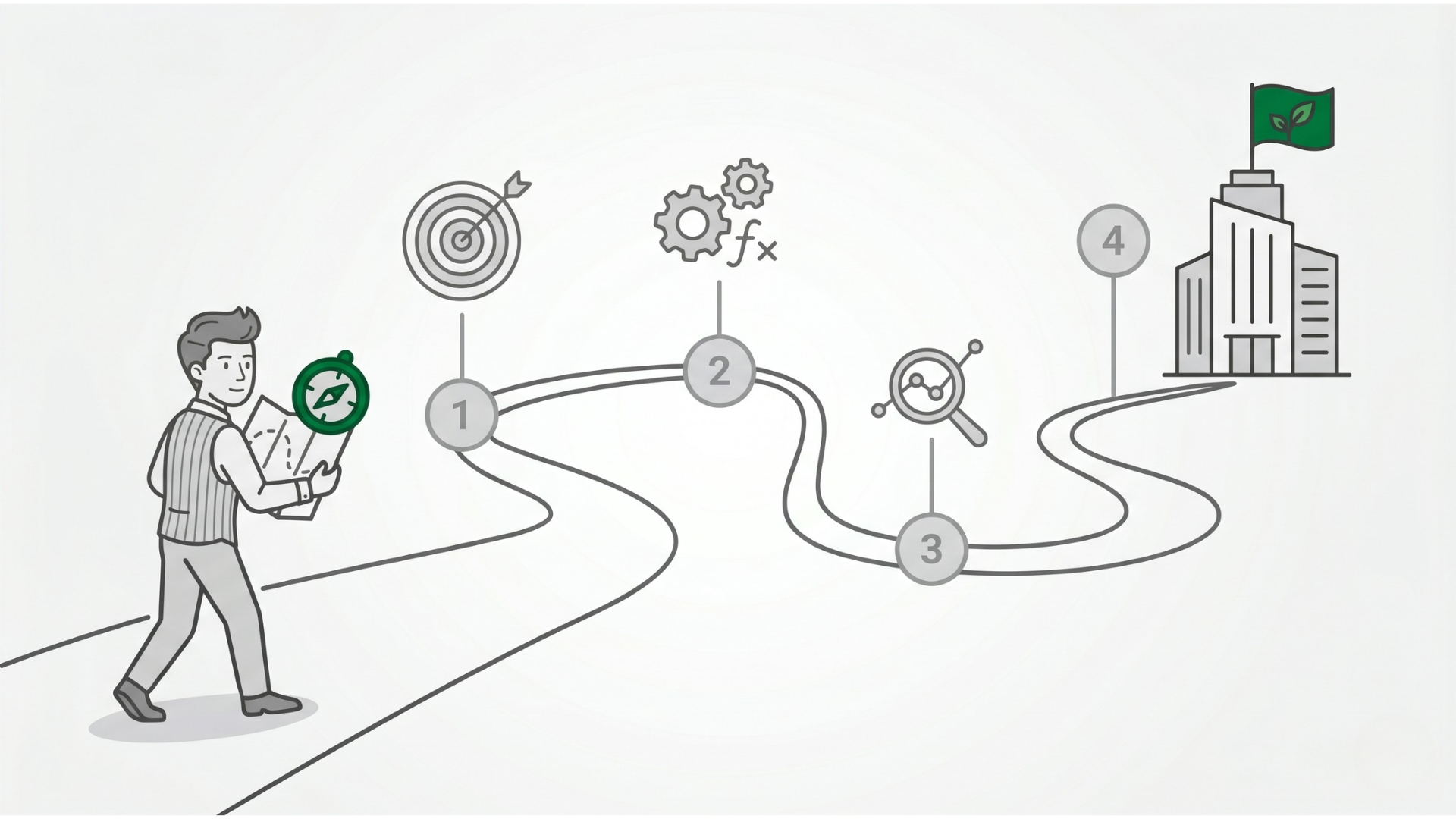
Google Ads has unveiled its latest AI-powered feature, AI Max for Search Campaigns, presenting advertisers with a new way to optimize and scale their campaigns. This update was previewed in Google’s official blog post, highlighting the tool’s ability to harness generative AI for performance gains.
This feature will be available in beta starting in late May 2025.
While this tool promises exciting advancements in automated targeting and ad creation, it also opens the door to potential challenges.
In this article, we’ll cover what AI Max is, evaluate its key features, and analyze the pros and cons to help you make an informed decision about whether or not to test AI Max for your search campaigns.
What Is AI Max for Search Campaigns?
At its core, AI Max is not an entirely new campaign type. Instead, it acts as an optional layer that can be added to traditional search campaigns. Think of it as integrating a Performance Max-level engine specifically tailored to search, while maintaining more transparency and advertiser control.
AI Max builds on existing search functionalities while offering advanced AI-driven tools to enhance targeting, creative performance, and reporting. As Google Ads coach Jyll Saskin Gales explains, Google’s AI-powered approach blends traditional search campaign structures with Performance Max-like automation, allowing advertisers to unlock broader reach without giving up control.
Key Features of AI Max
- Expanded Query Matching AI
This feature goes beyond your current keywords, leveraging keywordless technology to access broader, high-intent search queries that traditional campaigns might miss. It combines elements of broad match and dynamic search ads (DSA) to identify qualified leads who may be using different phrasing than you anticipated. For example, a user searching for “affordable graphic designers in Los Angeles” may still see your ad if you’re targeting the term “graphic designers,” thanks to contextual AI matching. This video overview from Optmyzr provides additional insight into how keywordless targeting works. - Final URL Expansion
AI Max dynamically selects the most relevant landing page from your website based on the user’s search intent. Rather than being limited to a fixed destination URL, your ad can direct each user to the page that aligns best with their query. Advertisers maintain control through inclusion and exclusion rules, making this a flexible but strategic tool for improving conversions. - Text Customization
AI Max generates ad headlines and descriptions dynamically by pulling from your site’s content, your existing ad assets, and real-time search queries. Unlike older versions of automated text suggestions, this version gives you full visibility and editing control. For example, if someone searches for “best home office chairs,” your ad might show a headline like, “Shop Ergonomic Office Chairs for Maximum Comfort Today,” automatically directing to a product page. - Ad Group-Level Controls
Google has also introduced new settings like ad group-level location targeting and brand association tools. These controls offer added precision, such as tailoring offers to users in specific regions or aligning ad content with only certain brand assets. - Enhanced Reporting
AI Max includes updated reporting dashboards, providing insight into how each search term correlates with specific ad creatives and landing pages. This level of transparency helps advertisers monitor performance and refine strategy over time.
Why Is Google Introducing AI Max?
AI Max reflects Google’s evolving approach to search behavior in the age of generative AI. As users enter longer, more exploratory, and conversational search queries, traditional keyword targeting may miss valuable traffic.
Google reports that small businesses using AI Max in early testing saw up to a 14% increase in conversion rates, without raising cost per conversion. The official announcement frames AI Max as a natural evolution of Search advertising that aligns with today’s more dynamic user behavior.
The Pros of AI Max for Small Businesses
- Expanded Reach:
AI Max unlocks access to high-performing, long-tail queries that your keyword list may miss. This is especially useful for small businesses that don’t have the resources to manage expansive keyword lists. - Improved Ad Relevance:
With real-time headline and description optimization, your ads feel more responsive to the user’s specific search, leading to more clicks and better engagement. - Greater Efficiency:
Small teams benefit from AI-driven automations like Final URL Expansion and text creation, saving hours of manual work on copywriting and testing. - Granular Controls and Transparency:
Unlike older automated tools, AI Max includes features like ad group-level controls and detailed reports that allow advertisers to keep a firm grip on campaign direction. - Data-Driven Decisions:
Enhanced reporting gives you visibility into search term and ad copy performance, enabling smarter optimization without guesswork.
The Cons of AI Max for Small Businesses
- Potential Budget Creep:
Broader query matching can mean your ads show up for less relevant searches. Without close monitoring, this could increase ad spend without boosting ROI. - Over-Reliance on Automation:
While automation saves time, it can lead to complacency. Advertisers must still review reports and update campaign settings to stay aligned with business goals. - Relevance Challenges:
Dynamic ad text may not always reflect your brand voice or priority messaging. Ongoing review and customization is essential. - Limited Familiarity:
Small business advertisers new to AI-enhanced tools may face a learning curve, especially if they’re used to manual campaign structures. - Brand Safety Concerns:
Automated placements can reduce your control over where ads appear, potentially leading to associations with inappropriate or controversial content and putting your brand reputation at risk.
Should You Use AI Max?
AI Max offers significant promise, but success depends on how you manage it.
AI Max is a good fit if you:
- Need to scale with a small team.
- Focus on exploratory or broad-intent queries.
- Want to boost performance with minimal manual upkeep.
You might hold off if you:
- Have a tight budget and need stricter control over CPC.
- Prefer hand-crafted ad copy and granular keyword targeting.
- Operate in a heavily regulated or brand-sensitive industry.
What Does This Mean for Agencies?
If you’re an agency owner managing Google Ads for clients, AI Max presents both opportunities and risks. On one hand, automation can boost performance and reduce time spent on manual optimizations. On the other hand, it requires a shift in how campaigns are structured, monitored, and reported.
Consider running tests internally before rolling out across client accounts, and use Google’s enhanced reporting to demonstrate results transparently. It may also be worth adjusting your client communication and reporting processes to explain how AI-generated changes are implemented and monitored.
Getting Started with AI Max: A Checklist
For small advertisers planning to take the plunge, here’s a simple checklist to optimize your experience:
- Choose a test campaign: Start with one or two search campaigns where you can afford to experiment.
- Prepare your site: Review your landing pages and ensure key pages are well-structured for Final URL Expansion.
- Set exclusions: Use URL and brand exclusions to maintain control over traffic and brand safety.
- Enable reporting features: Familiarize yourself with the new reporting tools to track search terms, headlines, and landing page paths.
- Monitor weekly: Check reports at least once a week to identify trends and performance shifts.
- Compare before scaling: Benchmark AI Max performance against your previous setup before rolling it out more broadly.
AI Max: Our Take
AI Max represents the next step in the evolution of Google Search campaigns. With tools like keywordless AI matching and dynamic creative generation, the platform is becoming smarter, and more autonomous.
Whether you’re ready to test or prefer to wait and watch, understanding how this tool works will keep you competitive in the ever-changing ad landscape.
Do You Want Help with Google Ads?
Request a Google Ads quote to see how our team can help you test AI Max and scale your campaigns effectively.
Are You an Agency Owner or Consultant?
Learn more about our partner program or schedule a discovery call to explore how we can support your clients and grow your agency.