Google Ads just lifted a long-standing restriction, and the change could tilt the playing field in favor of big advertisers.
In April 2025, Google announced that it will now allow double-serving ads, meaning advertisers can show more than one ad on the same search results page. For years, this was prohibited to promote fairness. Now, the game has changed.
So what does this mean for small businesses? And how can you adapt?
Let’s break it down.
What Are Double-Serving Ads?
Double-serving occurs when a single advertiser is able to show more than one ad on the same Google Search page. For example, one ad might appear at the top of the search results, while another from the same advertiser appears at the bottom.
Previously, this was banned to prevent one business from dominating the ad space. Now, Google is opening the door to multiple placements per advertiser.
Why Is Google Making This Change Now?
Google hasn’t officially shared its rationale, but industry experts have speculated the move aligns with broader monetization goals. By allowing more ads per advertiser, Google may be aiming to increase competition (and ad revenue) without increasing ad inventory.
As more advertisers rely on automation and Performance Max campaigns, the traditional guardrails of ad placement are evolving to prioritize machine-driven bidding and audience coverage.
What’s the Impact for Small Businesses?
Increased Competition (and Costs)
With the new policy, larger advertisers can take up more space in the search results—driving up cost-per-click (CPC). This could make it harder for smaller businesses to compete on popular keywords.
Example:
A local dentist bidding on “dental implants near me” might now be competing with multiple ads from a national chain, not just one.
A Hypothetical Example: The Local Dentist vs. Big Dental Co
Before this update, “Maple Street Dentistry” might have been bidding $4.50 per click to maintain a top-3 slot. Now, with Big Dental Co able to serve two ads, that same keyword might cost $5.50–$7.00 due to auction pressure. As a result, Maple Street may need to pivot—investing in keyword research, better landing pages, or conversion-focused copy just to maintain ROI.
These pressures don’t just affect business owners. They also pose new challenges—and opportunities—for agencies and consultants managing multiple accounts.
What This Means for Agencies and Consultants
If you manage accounts for multiple clients, this update could complicate your strategy, especially for clients with overlapping geographies or services.
You’ll need to monitor SERP visibility closely—especially if clients share geographic or service overlap. It’s also a great time to educate clients on quality score, relevance, and conversion optimization so they understand how to compete without ballooning ad spend.
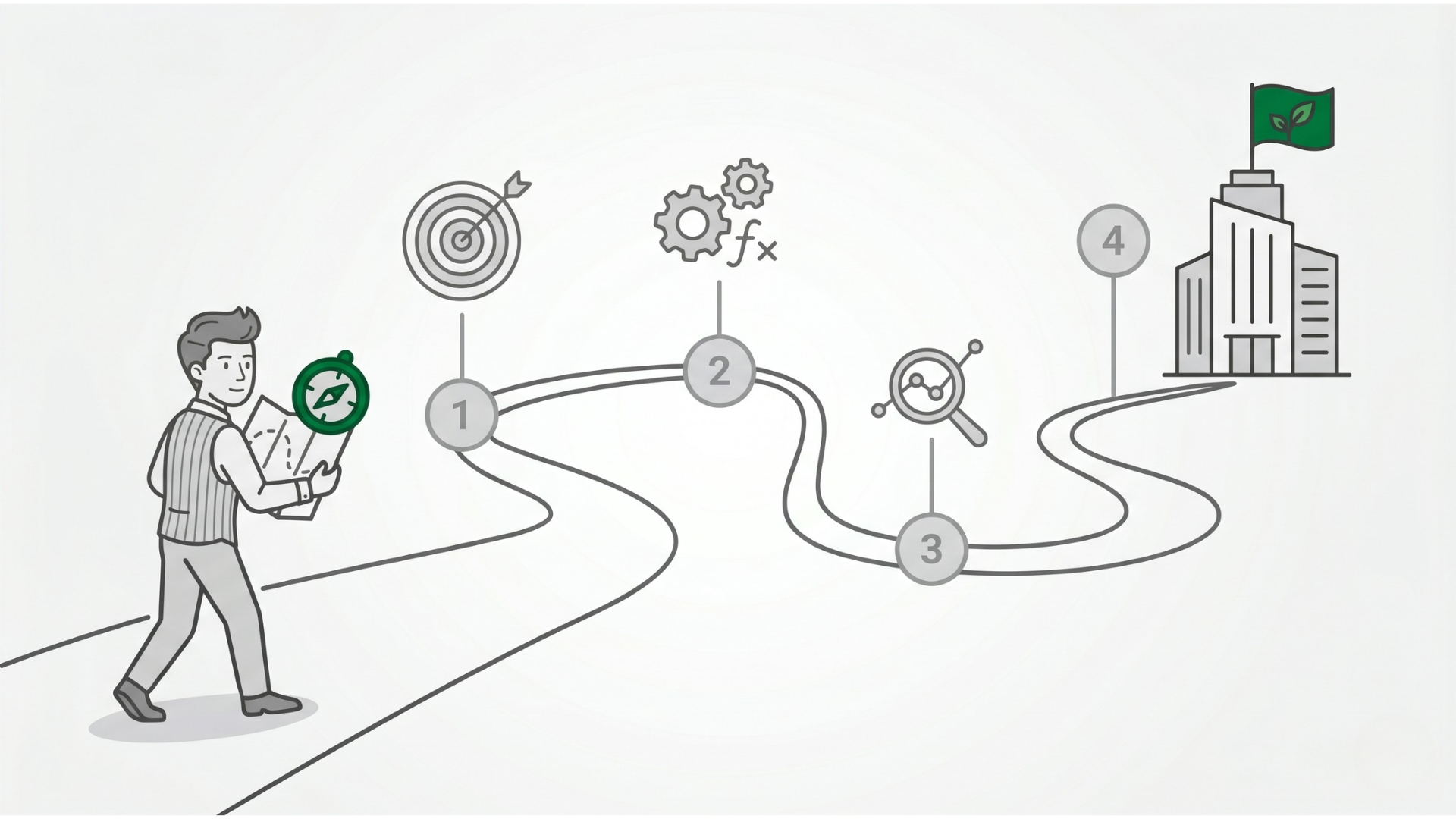
Four Ways Small Businesses Can Adapt
Here’s how your business can stay competitive and make the most of the double-serving landscape.
1. Target Niche, High-Intent Keywords
Broad, competitive keywords may become too costly. Instead, focus on:
- Target long-tail keywords like “best dentist for families in Austin”
- Use Google’s Keyword Planner to identify less competitive, high-intent search terms
2. Improve Your Ad Rank with Relevance
You don’t have to outbid your competitors—just out-optimize them. Google’s Ad Rank is based on more than just bid amount. It also looks at ad quality, relevance, and landing page experience.
To improve your Ad Rank:
- Align ad copy with search intent
- Match landing pages closely to your ads
- Include keywords in headlines and descriptions
- Use Responsive Search Ads with dynamic keyword insertion
- Try dynamic location insertion for local targeting
3. Boost Your Conversion Rate
As CPCs rise, converting more of your clicks becomes essential. To improve your conversion rate:
- Use dedicated landing pages with clear calls-to-action
- Ensure fast, mobile-friendly design
- Highlight strong offer messaging and visuals
- Create a streamlined user experience
4. Stick to the Fundamentals
Google changes often—but the core principles of smart advertising remain the same. That includes tracking ROI, testing ads, and aligning your campaigns with business goals.
Use our Ultimate Google Ads Checklist to make sure your foundation is solid.
Digital Advertising Is Always Changing
These types of updates are a reminder that digital advertising isn’t set-it-and-forget-it. Successful advertisers are constantly adapting, refining their strategies, and focusing on fundamentals like ROI tracking and campaign testing.
Whether you’re a solo business owner or part of a larger team, staying informed and proactive will be the key to thriving in a more competitive ad environment.
Want Help with Your Google Ads Campaign?
In addition to teaching Google Ads best practices, we also manage campaigns for clients.
Want expert help navigating the latest changes? Request a free Google Ads quote today and we’ll show you how to make your budget go further.
Are You an Agency Owner?
We work directly with small businesses—and we also support agencies behind the scenes.
If you’re an agency owner looking for a trusted partner to manage digital marketing for your small business clients, learn more about our white label partnership program or request a discovery call to explore working together.