
If you asked ten small business owners whether social media is working for them, at least eight would say some version of the same thing: “We’re posting, but we have no idea if it’s doing anything.”
We’ve heard that answer more times than we can count. And after 15 years of helping small businesses with their marketing, I can tell you that most businesses are using social media in the wrong role.
They’re treating it like a lead generation machine when it’s actually a trust-builder. Or they’re treating it like a nice-to-have when it should be the center of their entire marketing strategy. Either way, the expectations don’t match the reality, and that mismatch is where the frustration comes from.
So we developed a framework to fix that. We call it The Right Role Framework, and it’s a four-step process for figuring out exactly what social media should do for your specific business before you spend another dollar or another hour on it.
Why Most Social Media Advice Doesn’t Work for Small Businesses
Most social media advice is written for brands with content teams, professional photographers, and six-figure ad budgets. Or it’s written for influencers and personal brands who live on these platforms. That’s fine for them, but it has almost nothing to do with how a plumber, a dentist, or a financial advisor should use social media.
The result? Small business owners try to follow the same playbook, post three times a week for two months, see no measurable return, and conclude that social media doesn’t work for their business.
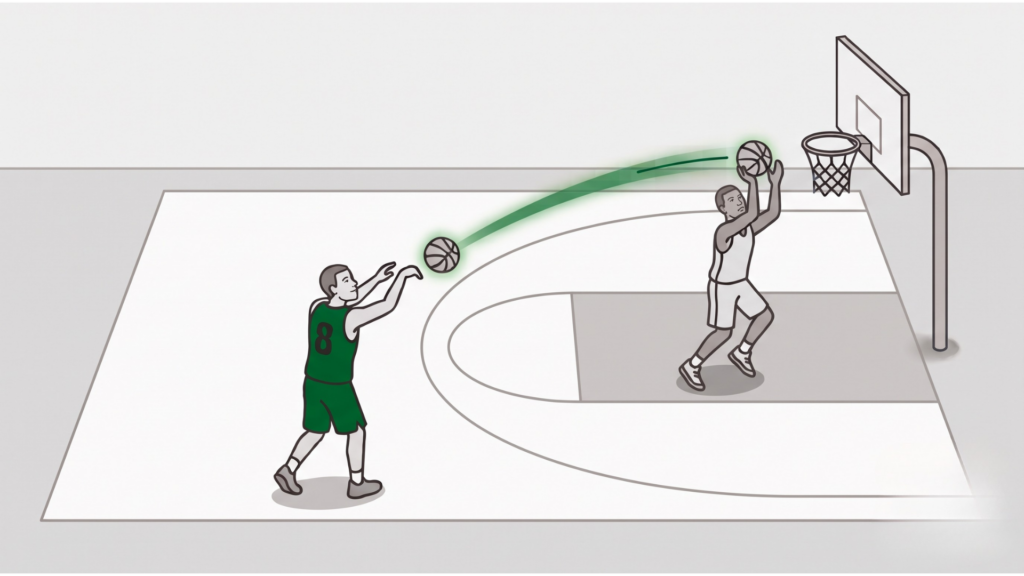
But here’s what actually happened. They were measuring social media like a scoring channel when it was playing the role of an assist. If you watch basketball, you know the difference. The player who makes the pass that leads to the basket gets an assist. The player who makes the shot gets the score. Both are valuable. But if you only count baskets and ignore assists, you’ll bench your best playmaker because his stats look empty.
That’s exactly what most small businesses do with social media.
The Right Role Framework: 4 Steps
Step 1: Where Is Your Audience?
The first question isn’t “Should we be on Instagram?” or “Is TikTok worth it?” The first question is: where do your customers actually spend time?
This sounds obvious, but you’d be surprised how often businesses skip it. We see this all the time. A business owner asks whether they should be on TikTok because they’ve heard it’s the fastest-growing platform, but their customers are local homeowners over 50. The answer is Facebook, not TikTok, and it isn’t close.
The platform decision flows from the audience, not from what’s trending. If your customers are consumers under 35, Instagram and TikTok are probably the right starting points. If you sell to other businesses, LinkedIn is likely your best bet. If your customers are local homeowners over 40, Facebook still has more reach in that demographic than anything else.
Start by answering two questions: Who is my ideal customer, and where are they already spending time? Don’t overcomplicate it. Pick one or two platforms where your audience actually is, and ignore the rest.
Step 2: Is Social Media Your Primary Channel or Your Assist Channel?
This is the step that changes everything. And it’s the one most businesses skip entirely.
For some businesses, social media is the primary channel. It’s the main way customers discover them, engage with them, and eventually buy. Think about restaurants, fashion brands, e-commerce stores, personal trainers, and personal brands. These businesses live or die based on their social media presence. If a boutique clothing store stopped posting on Instagram, their sales would drop within weeks.
For most small businesses, though, social media is an assist channel. It’s not where customers go to buy. It’s where they go to confirm that you’re real, credible, and active. It warms people up before they search for you on Google. It keeps you top of mind between the first time someone hears your name and the moment they actually need your service. It makes your other marketing channels, your SEO, your ads, your email, work better.
Here’s what I want you to remember.
The reason most small businesses can’t see ROI from social media is that they’re measuring an assist channel like a primary scorer.
You wouldn’t fire the point guard for not scoring 30 points a game if his job is to distribute the ball. But that’s essentially what businesses do when they look at their Facebook page and say, “We got zero leads from this last month, so it isn’t working.”
The assist is harder to measure, but that doesn’t mean it isn’t valuable. Think about it from the prospect’s perspective. If someone clicks your Google ad or finds you in a search result, and then later checks your Facebook page before filling out a form, an active and credible social presence makes them more likely to convert. If someone gets your email newsletter and recognizes your name because they’ve been seeing your LinkedIn posts, they’re more likely to open it. The social media didn’t generate those leads directly, but it made every other channel a little more effective.
In The Growth Formula (Traffic x Conversion x Customer Value), social media typically lives in the Traffic lever. But for assist-channel businesses, it also boosts Conversion because a prospect who’s already seen your posts is more likely to fill out a form or pick up the phone when they land on your website.
Step 3: The Role Determines the Playbook
Once you know whether social media is your primary channel or your assist channel, the strategy becomes clear. This is where the frustration goes away, because you’re no longer guessing what to post, how often to post, or how much to spend.
If social media is your primary channel:
You need to invest heavily. Daily content, probably a mix of photos, short-form video, and stories. A real content calendar. Paid promotion to expand your reach beyond your existing followers. And you need to track engagement, reach, and direct sales or leads from the platform as key performance metrics.
For a restaurant on Instagram, that might mean posting a daily photo of a featured dish, running stories during service, and boosting posts to reach people within a 10-mile radius. That level of investment makes sense because Instagram is where their customers are discovering them and making the decision to visit.
If social media is your assist channel:
You don’t need to post every day. You don’t need to become a content creator. What you need is a consistent, credible presence that reinforces the work your other channels are doing.
For most small businesses, that means two to three posts per week on the platform where your audience spends time. Share what you know. Show your work. Post a before-and-after of a project you completed, explain a concept your customers always ask about, or share a quick story about something you learned from a recent client interaction. No viral dances required.
The budget picture changes too. A primary-channel business probably needs paid promotion to make social media work. An assist-channel business on LinkedIn might need zero ad spend if the organic content is consistent and relevant.
Here’s a simple way to think about it:
| Primary Channel | Assist Channel | |
| Posting frequency | Daily or near-daily | 2-3x per week |
| Content investment | High (professional content, video, stories) | Moderate (helpful, authentic, consistent) |
| Paid promotion | Usually necessary | Often optional |
| Primary metric | Direct leads, sales, or bookings from the platform | Presence, credibility, and engagement rate |
| What success looks like | “Most of our new customers found us on Instagram” | “Prospects tell us they looked at our LinkedIn before reaching out” |
Step 4: Be Social
This is the step that separates the businesses that get value from social media and the ones that just add noise.
Social media is meant to be social. That means responding to comments, engaging with your audience’s content, answering questions, and having real conversations. A business that posts three times a week but never responds to a comment is broadcasting, not participating. And broadcasting without engagement is like running an ad with no landing page. The effort goes in, but nothing comes back.
In our experience, the engagement piece is especially important for assist-channel businesses. The assist works because people feel a connection to your business before they need your service. That connection doesn’t come from a perfectly designed graphic. It comes from the reply you left on someone’s post, the question you answered in a comment, or the time you congratulated a client on their news.
This doesn’t take hours. Fifteen minutes a day of genuine engagement will do more for your business than an extra three posts per week that nobody responds to.
How This Fits Into Your Bigger Marketing Picture
Social media doesn’t exist in a vacuum. It’s one piece of your overall digital marketing strategy, and The Right Role Framework helps you figure out exactly which piece it should be.
If you’ve identified social media as an assist channel, that’s a good thing. It means your primary marketing investment should go toward the channels that are generating leads directly, like SEO and Google Ads. Social media then supports those channels by building the trust and familiarity that makes them convert better.
And here’s something that surprises a lot of business owners: social media activity is increasingly connected to search visibility. Google evaluates your brand’s overall digital footprint when determining how to rank your site, and AI-powered search tools like Google’s AI Overviews do the same. A business that consistently shares helpful content and engages with its community on social media is building the kind of credibility that search engines and AI tools reward. For assist-channel businesses, this is one more way that social media makes your other channels work harder, even when you can’t trace a single lead back to a Facebook post.
If you’ve identified social media as your primary channel, you know that it deserves a bigger share of your time and budget, and you can invest with confidence instead of guilt.
Either way, you’re making the decision based on what social media actually does for your business, not based on what some influencer said you should be doing.
The Worst Option Is Doing Nothing
One thing I want to be clear about: the answer is almost never “skip social media entirely.”
Even if social media is just an assist for your business, doing nothing means you lose the assist. And in a world where prospects Google your name and then check your social profiles before picking up the phone, an empty or inactive profile is worse than no profile at all. It tells people you’re either not a real business or you’ve stopped paying attention.
You don’t need to be everywhere. You don’t need to go viral. But you do need to show up consistently on the one or two platforms where your customers are. That’s the minimum, and for most small businesses, the minimum is enough to get most of the benefit.
Need Help With Your Social Media?
If you’re not sure whether social media should be a primary channel or an assist for your business, or if you know the answer but need help building the right plan, we can help. We’ll assess your situation, identify the right role, and build a strategy that fits your business and your budget.


